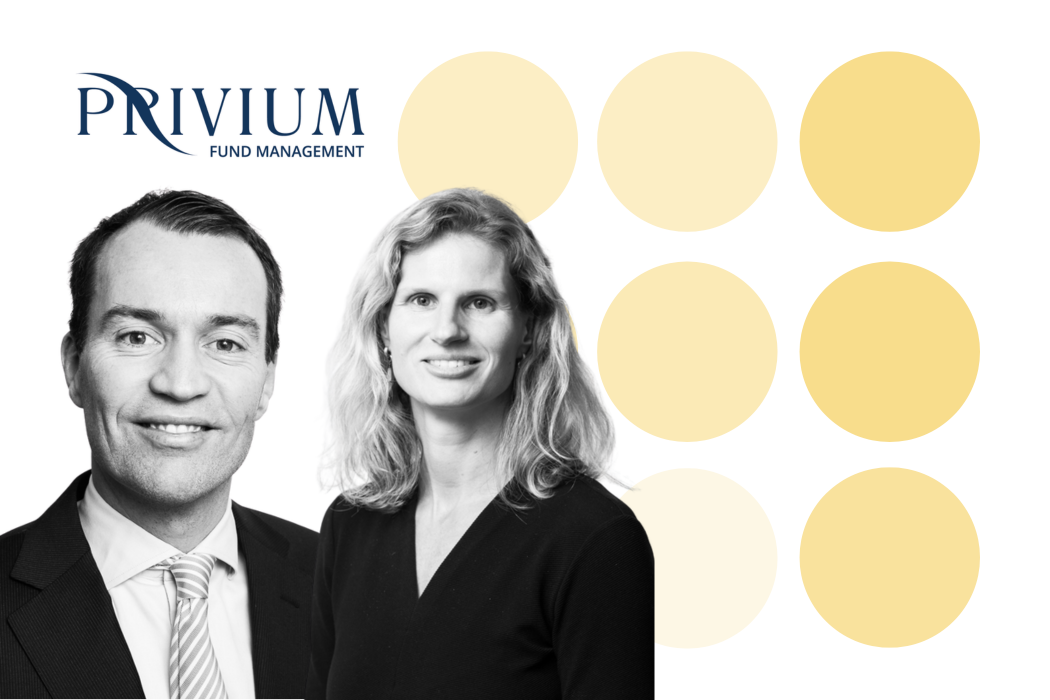
Privium Fund Management is actively involved in the Dutch and European policy debate on asset management and sees DUFAS as an essential link between the industry and policymakers. That's why Privium has been a member of DUFAS since December. In this interview, Marlien Blaauw and Robert-Jan van Hoorn of Privium discuss the role of DUFAS within the increasingly complex regulatory landscape, the key developments and challenges for the industry in the coming years, and how they intend to contribute to a strong and future-proof asset management industry through committees and expert groups.
How do you see DUFAS’ role in the current European and Dutch asset management policy landscape?
"DUFAS’ role is of great importance within the current European and Dutch asset management policy landscape. DUFAS acts as an important link between the industry and policymakers in the Netherlands and Europe, effectively representing the interests of asset managers and their clients within an increasingly complex regulatory framework. In addition, DUFAS contributes to knowledge sharing and the translation of European regulations in a level playing field to Dutch practice, which enhances practicability and quality within the sector."
The industry faces significant developments in the coming years. What trends or challenges do you see at EU and Dutch level in the coming years? And where can we as an industry make a significant contribution?
"The sector faces significant challenges at EU and national levels in the coming years, in addition to the broader macroeconomic and geopolitical challenges facing Europe. For the Netherlands and Europe, it is essential to strengthen competitiveness to maintain economic and social relevance. The investments of institutional investors and mutual funds play an important role in this.
The establishment of investment funds in the Netherlands thereby has both direct and indirect positive effects on the economy and the investment climate. This requires good and transparent cooperation between all stakeholders involved (including policymakers, regulators, fund managers, investors). As an industry, we can contribute to this by investing in innovation, collaboration and knowledge sharing. Thus we strengthen our competitiveness and at the same time, together with the investors in our funds, contribute to social goals and future-proof policies.
We also see the revision of AIFMD, SFDR and Sanctions legislation as important issues for the industry. The sector is also committed to further digitization, with the goal of improving processes, with cybersecurity playing a prominent role. Moreover, the sector is an important link in the energy transition."
What elements within the work of DUFAS are relevant to you in the context of collaboration within committees and expert groups?
"For us, the overarching framework within DUFAS is particularly relevant. Thereby, all relevant subtopics related to our sector are monitored through the various committees and their expert groups, insights are shared and consultations are actively participated in. In this way, the interests of fund managers and the investors in their funds are represented.
From Privium’s expertise, we therefore expect to make a valuable contribution to DUFAS’ Fund Regulation & Investment Services Committee, and within it specifically to the AIFMD and AML expert groups."