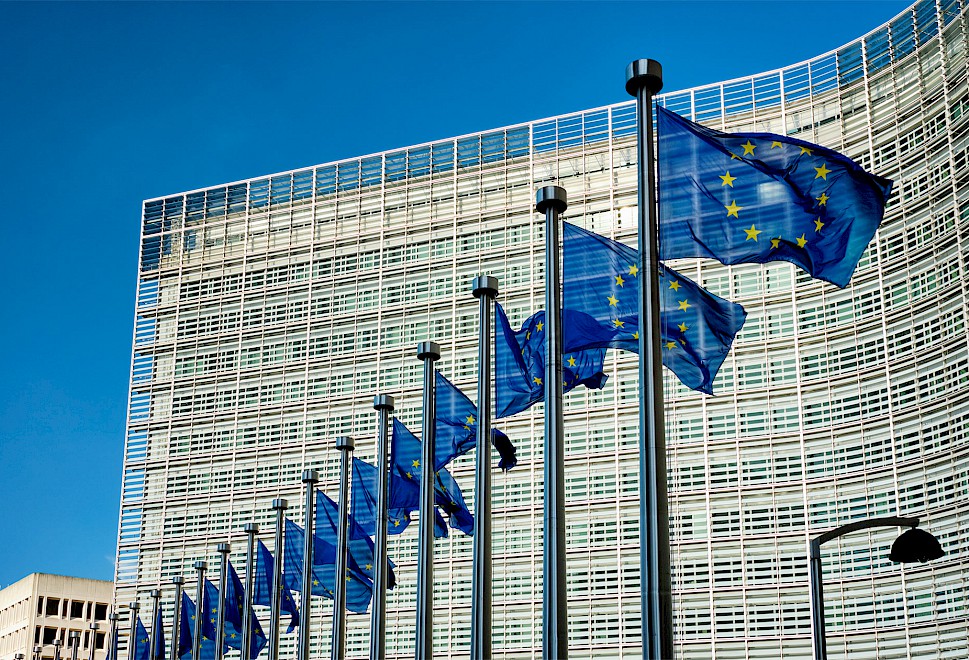
DUFAS has responded to the European Commission's consultation on the Digital Fitness Check, an assessment of the cumulative impact of European digital regulations. With this fitness check, the Commission wants to assess how various digital legislative initiatives collectively work out in practice.
DUFAS welcomes the Commission's initiative. DUFAS supports the EU's objectives to strengthen digital resilience, ensure market integrity and better protect investors. At the same time, DUFAS emphasizes that the rapid succession of digital legislation in recent years has resulted in a complex and sometimes overlapping regulatory framework.
Cumulative impact of digital regulations
According to DUFAS, the combination of different horizontal and sector-specific rules leads to stacking. Individual legislative initiatives may be justified on their own, but together they create:
- overlapping obligations
- lack of clarity on areas of application
- increased compliance costs for financial institutions
For asset managers, this can cause resources to shift from risk management and innovation to compliance activities, without always resulting in commensurate benefits for resilience or investor protection.
Importance of consistency and proportionality
DUFAS stresses that the fitness check is an important time to look at consistency between horizontal digital regulation and existing financial sector legislation. In doing so, we advocate, among other things:
- Better alignment between general digital rules and sector-specific financial regulation
- harmonization of definitions and concepts
- greater attention to proportionality and feasibility
In addition, DUFAS emphasizes that legislative stability and predictability are crucial for financial institutions. A rapid succession of new rules or additional obligations makes it difficult to carefully implement legislation and properly evaluate its impact.
Call to the European Commission
DUFAS calls on the European Commission to identify overlap and inconsistencies in the digital regulatory framework and correct them where necessary. A more aligned and workable framework contributes to both digital resilience and a competitive European financial sector.